For many parents in the US, choosing the right soccer environment for their child comes down to more than just skill development. Safety, consistency, comfort, and reliability all play a major role, especially for families new to youth sports or balancing multiple activities.
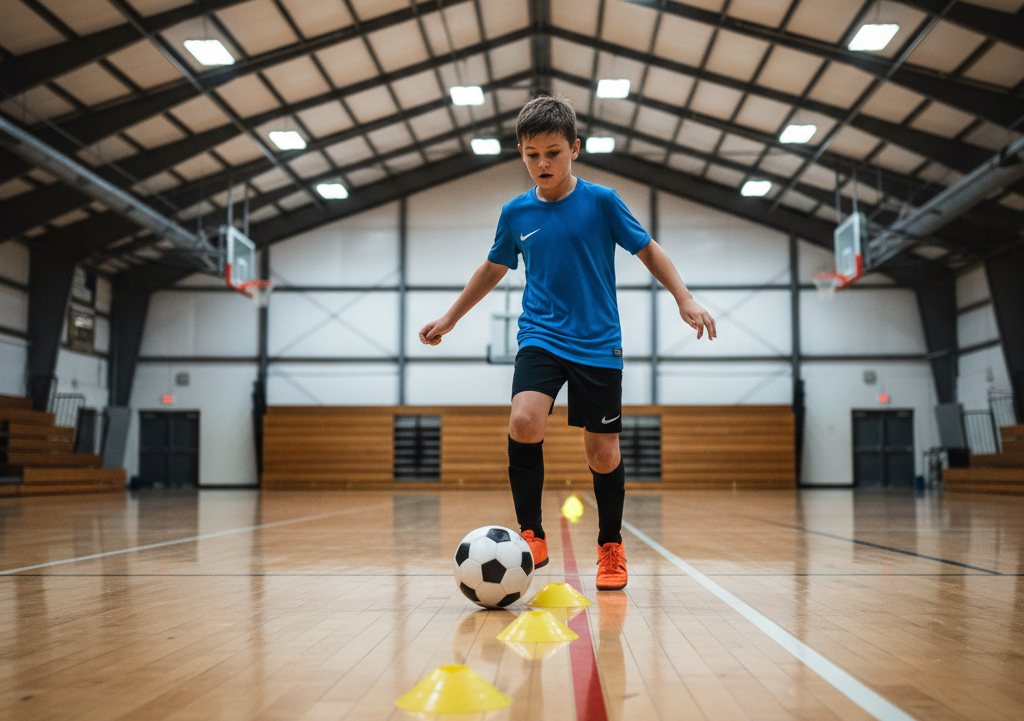
That’s why indoor, climate-controlled soccer training has become an increasingly popular option for young players. Not because it’s flashy or elite, but because it creates a learning environment where children can focus, feel comfortable, and enjoy the game.
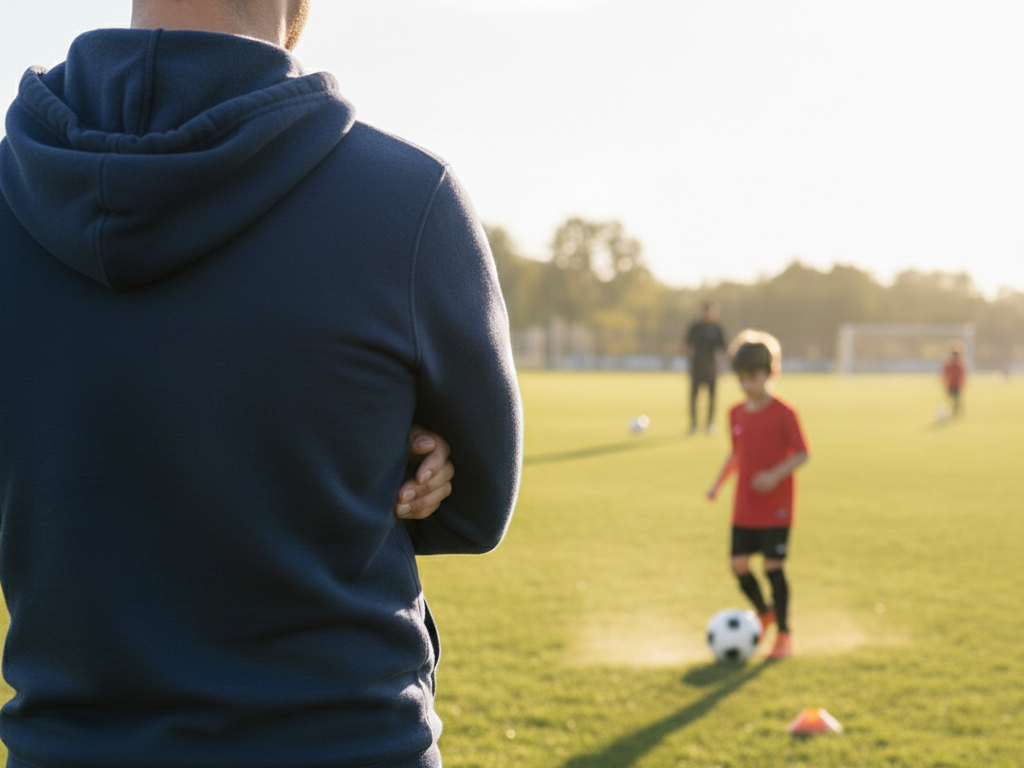
Outdoor soccer is often where families start, but it comes with variables that parents don’t always anticipate.
Extreme heat, sudden storms, poor field conditions, and frequent cancellations are common across many US regions. For young children, these disruptions can affect more than just attendance. They can impact confidence, focus, and enjoyment.
A missed session here or a shortened practice there might not seem significant, but for young players, consistency is everything. When routines break down, progress slows and enthusiasm can fade.
Children learn best when they feel physically comfortable and mentally secure. Indoor, climate-controlled soccer training removes many of the distractions and discomforts that come with outdoor environments.
Consistent temperature helps children stay focused and energized. Controlled lighting and surfaces make it easier to see, move, and react. Sessions run on time, without weather interruptions, which helps children build rhythm and confidence week after week.
For parents, this reliability matters just as much. Knowing that sessions will run as scheduled makes it easier to commit, plan, and stick with a program.
Safety is a top concern for US parents, particularly for younger children.
Indoor training environments reduce exposure to extreme heat, uneven fields, and environmental hazards. Coaches can maintain clearer sightlines and closer supervision, and younger players are less likely to become overwhelmed or fatigued.
This doesn’t mean outdoor soccer is unsafe. It means indoor training offers a more predictable and controlled setting, which is especially valuable during a child’s early development years.
Many parents assume that intensity leads to improvement. In reality, consistency does.
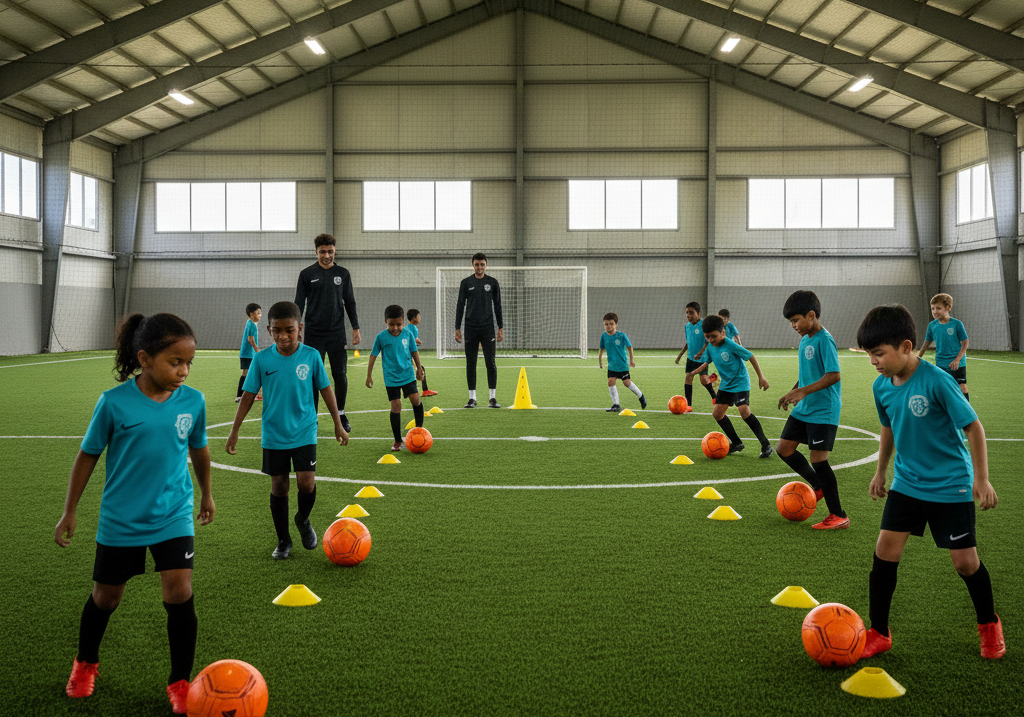
Indoor soccer training allows children to show up week after week, practice the same core skills, and build familiarity with movements and decision-making. That repetition is what builds confidence.
When children feel capable, they take more risks, try new skills, and enjoy the process of learning. Confidence grows naturally, without pressure.
This is particularly important for beginners, late starters, or children who may feel intimidated in more competitive environments.
Indoor, climate-controlled training is especially effective for:
At these ages, development is about movement, coordination, and enjoyment, not competition or results.
Indoor training isn’t about replacing outdoor soccer entirely. Many children enjoy both. The key difference is purpose.
Indoor training prioritizes:
Outdoor programs often prioritize:
For many families, indoor soccer training provides a strong foundation that supports future team play, rather than rushing into it.
For parents unsure where to start, indoor soccer training offers a calm, supportive entry point. Children can explore the game without pressure, build skills at their own pace, and develop a positive relationship with soccer early on.
At We Make Footballers, our indoor, climate-controlled training environments are designed to support young players through consistent, development-focused sessions that prioritize confidence and enjoyment.
If you’d like to see how indoor soccer training works in practice, we offer free trial sessions at indoor venues across the US. It’s a simple, no-pressure way to see how your child responds to a comfortable, supportive training environment.

Soccer coaching for children aged 4-12 years old in the US.


We Make Footballers USA LLC